Blog #2 |
Divergent thinking in
Modern Abstract Art
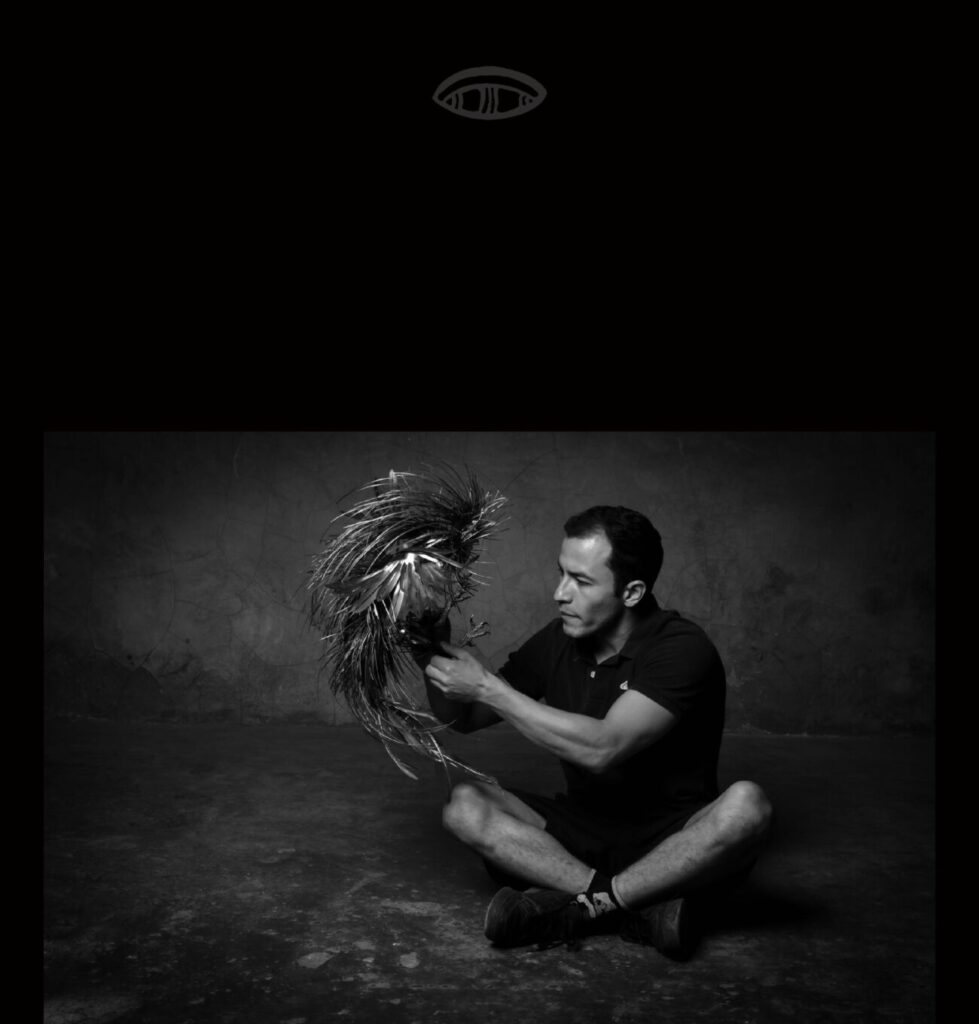
SEME Studio is the place where the mind allows itself the freedom to explore complexity.
Divergent thinking in art allows unique and creative expression.
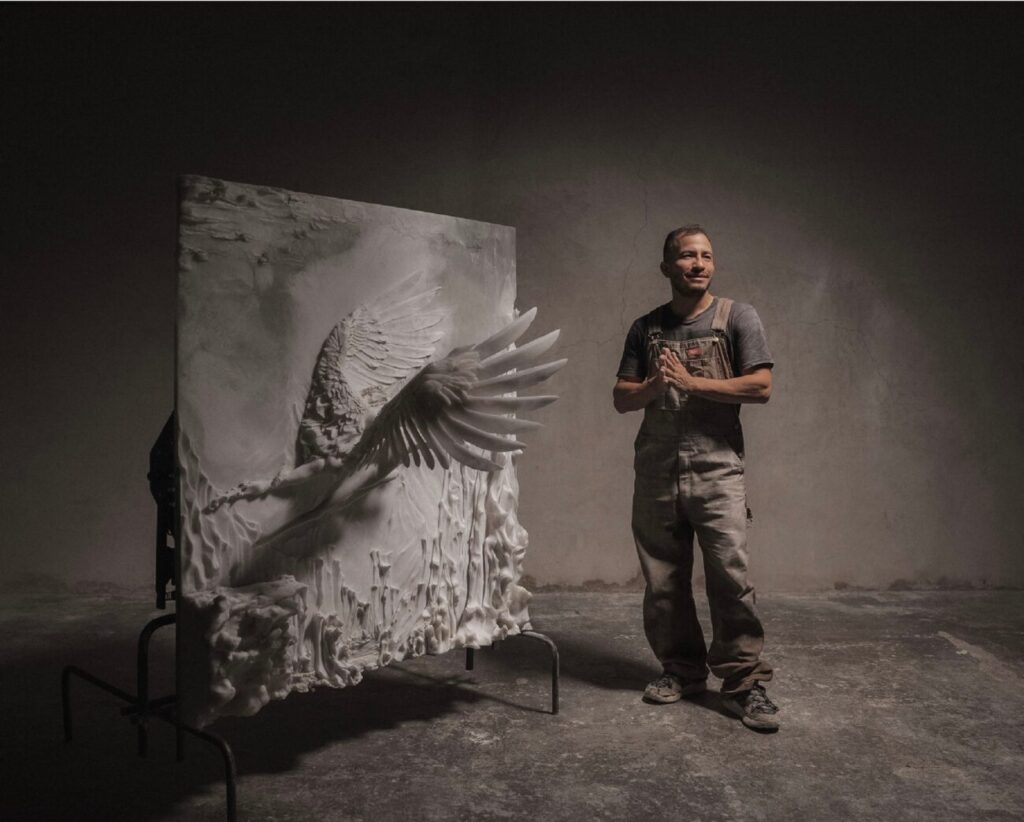
I am Edgar Orozco, a multidisciplinary visual artist.
My practice stems from sculpture as a territory of thought and symbolic construction, a discipline that has accompanied my development since childhood and that today structures my understanding of matter, space, and time.
Furniture design and the exhibited works are integrated into this process as a natural extension of the sculptural language, where function becomes an excuse for exploring form, emotion, and narrative.
Both lines converge at SEME Studio, a space for production and active reflection for almost a decade, dedicated to creating work that moves between art and design, bringing into dialogue the symbolic, the material, and the human. In other words, divergent thinking.
The creative processes of my work are born from a love of thought; This is what has led me to spend considerable energy, so that three-dimensionality, and a touch of poetry, unfold, connect, and synthesize ideas that materialize into tangible objects.
Each piece is made with great discipline, employing deeply meditative manual processes that generally take extended periods of time to complete.
SEME Studio is the place where the mind can allow itself the freedom to explore complexity. – Edgar Orozco
Within all his works, the artist invites us to traverse an intimate territory: the silent and sometimes uncomfortable process of human thought. Not as an idealized promise, but as a real journey, where light does not exist without its shadow, and consciousness is only born when we are able to look at ourselves without masks.
The artist’s divergent thinking comes from his early years and brings us to the present, uniting sculptures, drawings, and prints that complement each other like fragments of the same narrative. Each piece is a step within a ritual of transformation. Here, not only is the body represented, but also the internal impulse that drives it, that force Nietzsche called “Will to Power”, not as external domination, but as the profound desire to transcend oneself, to mold oneself. It is the final gesture of a process where each fall, each effort, each preparation of body and spirit reveals the tension between what we are and what we can become.
His works represent moments of training, of climb, of preparing the costume, of shared discipline. There are no isolated heroes here: there is accompaniment, a mirror, a reflection. Growth does not occur in solitude, but in relation to the other and, above all, to that which we deny in ourselves.
The artist does not propose to eliminate the darkness, but to bring it into consciousness. To look at it, understand it, integrate it. Because only when the shadow is recognized can it be transformed into potential. In this sense, each work is an exercise in self knowledge, a reminder that human balance is not in purity, but in harmony between opposing forces.
True art, born from the divergent thinking of a human being, isn’t merely contemplated with the eyes, it’s experienced firsthand.
It leads us to the internal question: What dance am I unknowingly practicing?
Here, art doesn’t point to a destination. It opens a process. One where each visitor also becomes an apprentice in their own transformation.
The fifth moon, after Canis Major.
The shadow operates from the deepest recesses.
The unconscious doesn’t remain in darkness forever… even when it goes unobserved.
“One must still have chaos in oneself to be able to give birth to a dancing star.” – Friedrich Nietzsche
-Creativity and greatness are born from inner mess, not calm comfort. The “dancing star” represents the beautiful, radiant creation that emerges from internal struggles.-
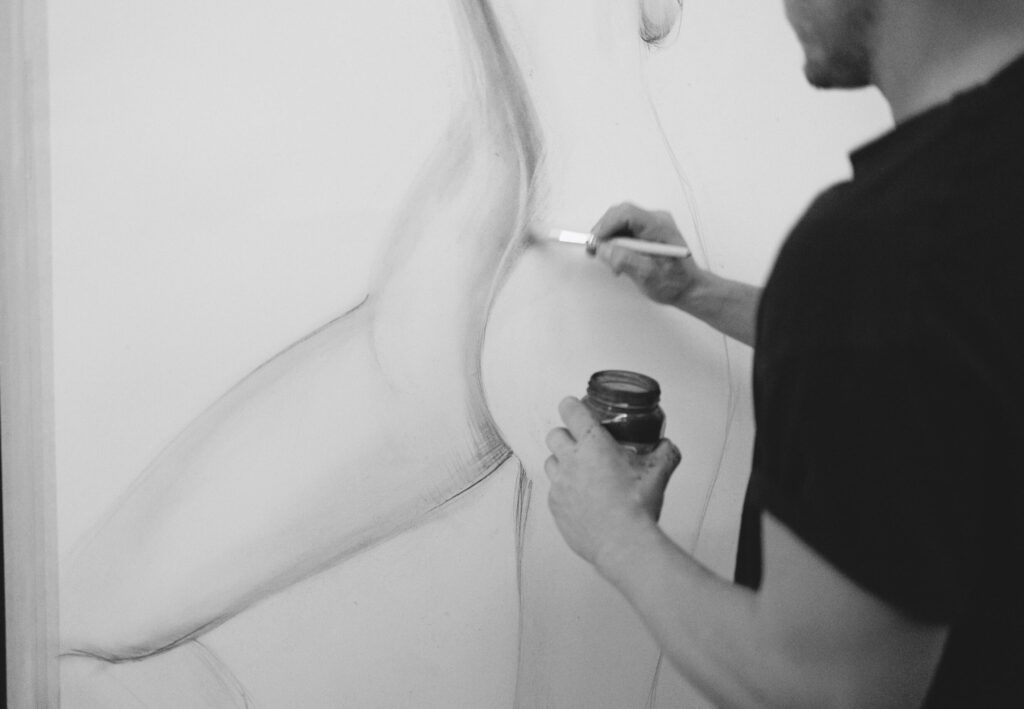
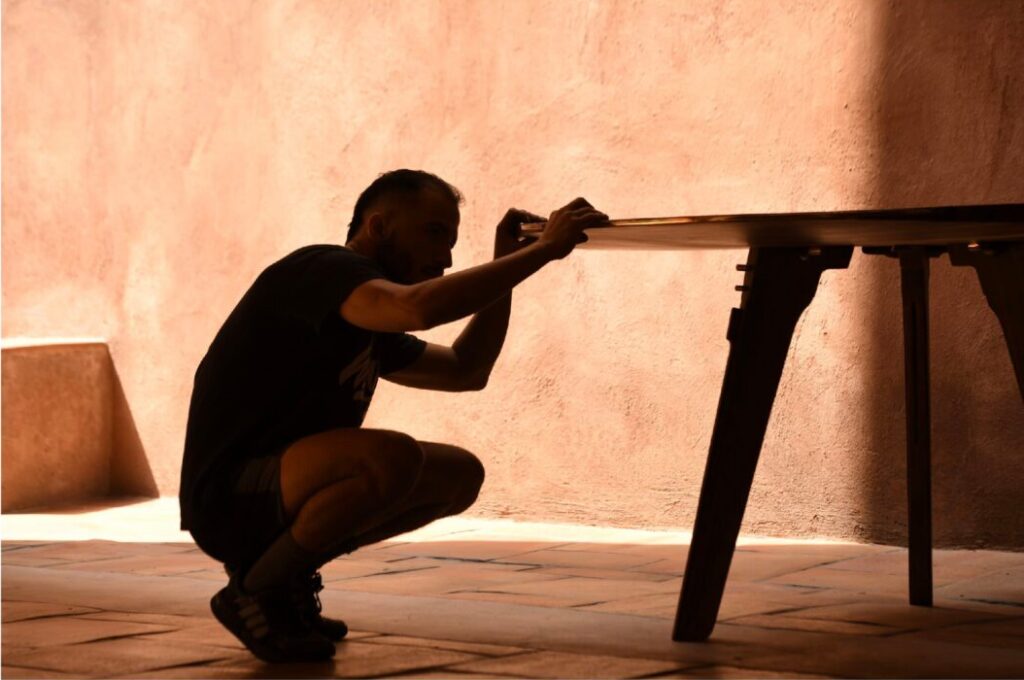
I come from a very chaotic and unstable family, starting with me. I’m the kid with every psychological diagnosis, the one who can’t sit still… but also the one who always had the most extravagant and crazy ideas. My mind has been both my greatest ally and my biggest demon throughout my life. There was no way I was going to let it win, so I decided to become an artist.
When you have so many scattered thoughts, it’s very easy to get lost in them. For me, the love of my parents and family was key to transmuting all that energy.
We only need to remember the most brilliant minds we admire most in the world to realize that divergent thinking is what sets the pace for the rest of society. It’s nothing to be ashamed of, and although it often brings with it situations full of pain, the good news is that this pain, when transformed into art, creates new possibilities. We must dare to feel, and feel deeply.
As my mother would say: “Pain demands to be felt”.
-Edgar Orozco